Dogs Make the Worst Poker Players: How to Read Your Dog's Body Language Before a Bite or Fight

Quick answer: To read your dog's body language, watch their posture, eyes, mouth, and changes in movement. A stiff body, hard stare, whale eye, lip licking, or sudden stillness can signal discomfort, anxiety, or rising tension. Spotting these signs early gives you time to create space and help your dog before a bark, lunge, bite, or dog fight happens.
I often say that dogs make the worst poker players. They have tells everywhere. You just need to learn how to read them.
As the Adopted Dog Specialist of South Florida and official trainer for four shelters and rescues, I help owners learn this skill every week. Dog anxiety is one of the most common challenges I see, and many owners miss the quieter signals that come before a louder reaction.
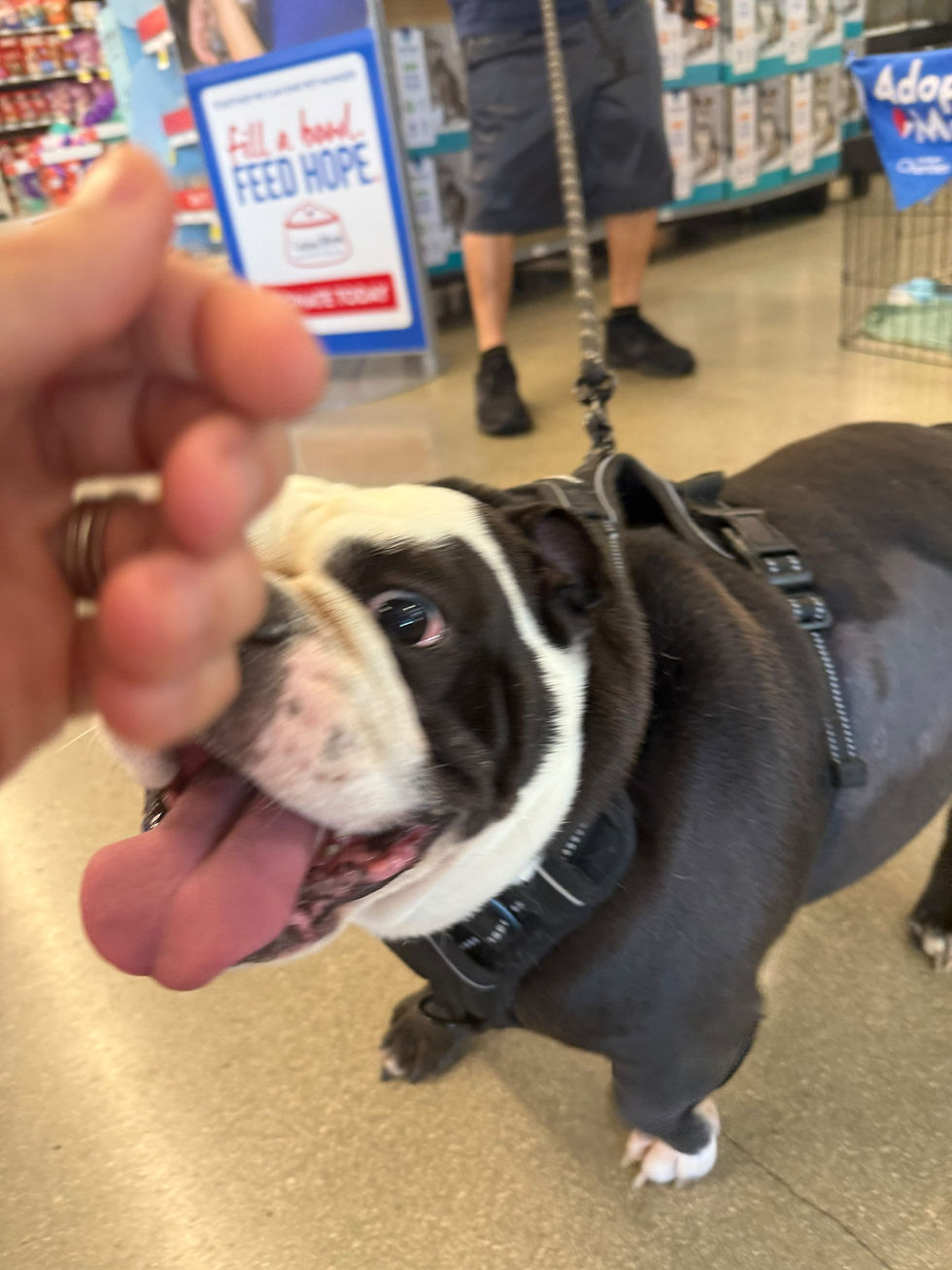
Why Do Dogs Bite "Out of Nowhere"?
Most of the time, they don't. As a dog trainer, I often hear:
"My dog barked out of nowhere."
"My dog suddenly lunged."
"My dog bit without warning."
Usually, there were signs before the reaction. They were just subtle, brief, or misunderstood. Some warning signals are minimal or hard to detect, so we can't assume every bite comes with an obvious warning (RSPCA guidance on aggression in dogs). But we can get much better at noticing discomfort and responding sooner.
If the first signal you notice is the bark or the lunge, you may have missed earlier chances to help your dog.
What Are the Warning Signs Before a Dog Bites or Fights?
Your dog's body language can reveal tension long before they make a sound. Watch for:
A stiff body: Their posture becomes rigid instead of loose and relaxed. They may suddenly freeze.
Fixating or a hard stare: Your dog locks onto a person, dog, or other trigger and can't look away.
Whale eye: Your dog shows the whites of their eyes, often turning their head away while keeping their eyes on what concerns them.
A suddenly closed mouth: A relaxed, open mouth closes as the face and body tense up.
Lip licking: Repeated lip or nose licking when no food is involved can signal uneasiness.
Leaning forward or shifting weight forward: This can signal rising intensity toward a person or dog.
Turning or leaning away: Your dog may avert their head, shift away, or try to leave the interaction.
Read the whole dog and the situation. A closed mouth alone doesn't mean a dog is anxious, and lip licking after a treat is different from lip licking while a stranger leans over them.
When several signals show up together, pay attention (RSPCA guide to dog body language).
Does a Wagging Tail Mean a Dog Is Happy?
Not always. A wagging tail is one of the most misunderstood dog signals. Depending on the rest of the body, a wag can mean excitement, overstimulation, uncertainty, or a warning to give the dog space. A stiff, high, fast wag paired with a hard stare is very different from a loose, wiggly wag with a soft body.
What Does Your Dog's "Energy" Tell You?
When I talk about a dog's energy, I mean their level of tension, activity, and ability to settle. Changes in energy are often the earliest warning sign.
Ask yourself: Was your dog moving comfortably and then suddenly went still? Were they casually looking around and then started intensely watching one person? Can they disengage, or is their attention locked in place?
Stillness is easy to mistake for cooperation. A dog who stops moving while someone pets them may be uncomfortable. Allowing contact isn't the same as enjoying it. Learn what relaxed looks like for your dog, so changes are easier to spot.
Why Do Dogs Bite When They Can't Get Away?
Imagine feeling nervous as someone approaches you, with no way to create distance. Dogs end up in that position when they're on a leash, backed into a corner, held in place, or surrounded by people.
A frightened dog usually tries to avoid the interaction first. If moving away is impossible, or their attempts to create space don't work, they may turn to growling, snapping, or biting. That outcome isn't inevitable, but restricting escape can raise the risk (ASPCA guidance on dog bite prevention).
Your job is to recognize the discomfort and help before your dog feels they have to defend their space.
How Do I Stop Strangers From Petting My Nervous Dog?
Be your dog's advocate. No stranger is entitled to pet your dog, and you can decline any interaction, even when someone insists they're "great with dogs."
Never let a stranger put their face in your dog's face, especially when your dog is nervous or insecure.
You can simply say:
"Please give him some space."
"She's not comfortable being petted."
"We're skipping greetings today."
You don't need to wait for a growl before setting a boundary. If your dog turns away, stiffens, or tries to retreat, help them create distance: end the greeting, choose a quieter route, or give them a place to rest without being approached.
When an uncomfortable situation isn't managed, a dog may use their own behavior to make it stop. That becomes the bark, lunge, or snap everyone remembers. Advocacy means acting on the quieter signals first.
My Obvious-ism: Block for Your Quarterback
When a quarterback drops back to pass and the team blocks, the quarterback has the best chance to succeed. When nobody blocks, bad things happen.
The same is true for your dog. You can't keep leaving your dog exposed to situations they can't handle and expect good outcomes. For your dog, blocking might mean declining an unwanted greeting, creating distance from another dog, or stopping someone from leaning into their face. It means recognizing the pressure and doing something about it.
Why Do Adopted and Rescue Dogs Struggle With Anxiety?
Adopted dogs are adjusting to a new home, new people, new routines, and often an unknown past, while their families are still learning what "normal" looks like for them. That makes early warning signs easy to miss on both sides.
Through my work with shelters and rescues, I see how misunderstood behavior can put a dog's home at risk. A dog can be affectionate and deeply bonded to their family while still struggling with fear or unfamiliar interactions. Those struggles don't erase their good qualities, but they do need to be understood and addressed, because they sometimes lead to a dog being surrendered.
Management gives a dog room to cope, while thoughtful training builds skills and confidence. Sudden behavior changes or escalating reactions also deserve a vet visit, since pain or illness can play a role (AVMA guidance on preventing dog bites).
Frequently Asked Questions About Dog Body Language
What are the first signs a dog is uncomfortable?
Early signs include lip licking, turning the head away, whale eye, a closed mouth, and sudden stillness. These often appear well before growling or barking.
Do dogs always give a warning before they bite?
Not always in an obvious way. Many warnings are subtle or brief, and dogs who have been punished for growling may skip that step. That's why noticing the quieter signs matters.
Is a dog that freezes being calm?
Not necessarily. A dog who suddenly goes still may be uncomfortable or about to react. Stillness and calm are not the same thing.
When should I call a dog trainer for anxiety or reactivity?
Reach out if your dog's reactions are getting more frequent or intense, if you've had a bite or near-bite, or if you're unsure how to read what your dog is telling you. Getting help early makes training easier and safer.
Learn to Read Your Dog Before the Reaction
Your dog communicates through small changes every day. Learning to recognize them changes how you respond, and how supported your dog feels in hard moments.
If you're struggling with your dog's body language, anxiety, or reactivity, reach out. I offer in-home dog training in Broward and Palm Beach County, and together we'll work on reading your dog, managing their environment, and setting them up for success.
Call (954) 900-9013 or contact me through theacdt.com.
Block for your quarterback. Be your dog's advocate.
About the author: Avi is the founder of Affordable Compassionate Dog Training, the Adopted Dog Specialist of South Florida, and the official trainer for four shelters and rescues. He specializes in helping adopted, anxious, and reactive dogs settle into their homes using force-free training, with no prong collars or e-collars.


Comments