Aggressive or Terrified? For Titan, the Answer Saved His Life.
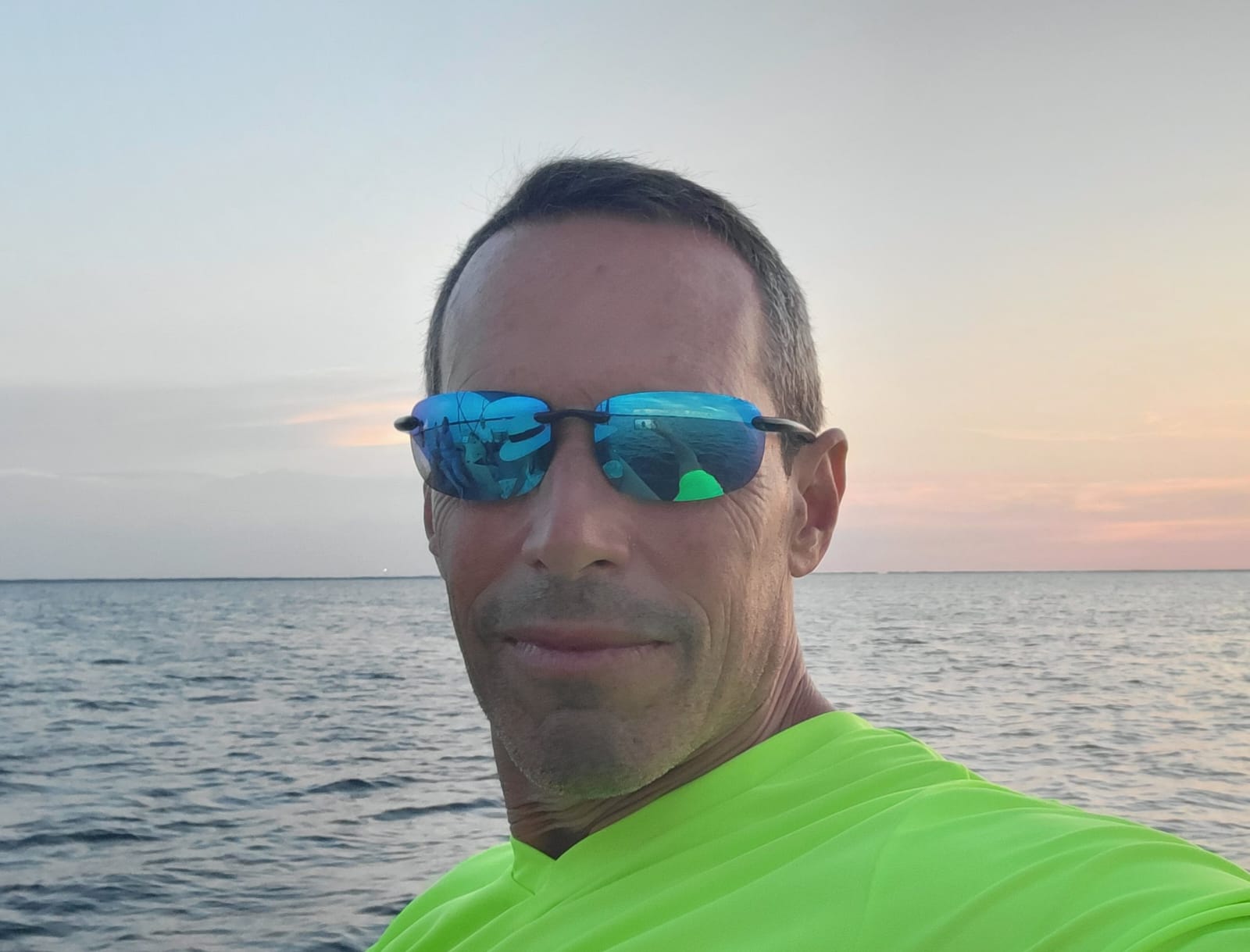
By Avi Kornblum Certified Shelter Dog Specialist Affordable Compassionate Dog Training
When a local South Florida shelter contacted me about Titan, the warning was immediate.
"If you touch the kennel lock, he'll try to bite your fingers." "If you try to leash him, he attacks." "We're worried he may become a red-zone case."
Titan was a French bulldog who had become known at the shelter as "the dog that attacks everyone." He was housed in a small room with three other highly reactive, emotionally overloaded dogs.
Pure chaos. Barking. Lunging. Stress. Fear. Survival.
And when I first met him — everything they warned me about was true.
The second my fingers touched the kennel lock, Titan lunged at the door trying to bite. The sight of a leash triggered immediate panic and offensive behavior.
But when I looked into Titan's eyes, I didn't see a dominant dog.
I saw a terrified one.
This wasn't a dog trying to overpower the world. This was a dog trying desperately to survive it.
And that distinction changes everything.
The Biggest Mistake People Make With "Aggressive" Dogs
My name is Avi Kornblum — founder of Affordable Compassionate Dog Training and a certified shelter dog specialist. I am the official trainer for multiple South Florida rescues including UFAR Animal Rescue, One Dog at a Time Rescue, POPO Pit Bull Rescue, and Chesed Dog Rescue.
In my time working hands-on with shelter and adopted dogs across Broward and Palm Beach County, I have seen this pattern more times than I can count:
A dog is labeled aggressive. People respond with force, corrections, intimidation, and pressure. The dog becomes more dangerous. Everyone gives up.
But here's what most people miss:
When fear is the root cause — force makes everything worse.
Fearful dogs do not need more fear added to their lives. They need guidance. They need patience. They need clarity. They need safety. And they need someone willing to understand what's actually driving the behavior instead of simply trying to suppress it.
Titan's case is the most powerful example of this truth I have ever witnessed firsthand.
The Video You Need to See
Before reading further — watch the two-minute highlight video below. This is real shelter rehabilitation footage. No edits. No quick cuts. Just Titan's actual transformation unfolding in real time.
Every moment in this blog post — the kennel door, the leash, the first walk — you can watch it happen.
Day One — Understanding What Was Really Happening
Instead of approaching Titan with force or corrections, I approached him with patience.
For the first few days I didn't try to leash him. I didn't force obedience. I didn't pressure him.
I simply spent time near him.
I would kneel quietly outside the kennels while all four dogs exploded into chaos around me. I'd softly toss treats into the kennels. Every small moment of calm got acknowledged.
"Good boy." "It's okay."
Little by little, the emotional temperature in that room started changing.
The dogs stopped seeing me as a threat and started seeing me as something safe and predictable. Titan noticed that too. As he watched the other dogs calmly take treats from my hand without being harmed, he slowly started allowing himself to do the same.
That's when I — Avi Kornblum — introduced the very first command.
Not heel. Not place. Not obedience drills.
Just "Look."
I wanted Titan to learn that eye contact with a human didn't have to lead to conflict or fear. At first he could barely hold it for half a second. Then a second. Then two. Then longer. Eventually he would calmly sit and look at me — without tension in his body.
That was the real breakthrough.
Not obedience. Trust.
The Kennel Door — The Moment of Truth
Every time someone touched the kennel lock, Titan expected danger.
The first time I jiggled it — he tried to bite me. The second time — slightly less intensity. The third time — less again.
I didn't punish him for being afraid. I simply kept showing him that I wasn't there to hurt him.
Eventually came the moment of truth. I slowly opened the kennel door and held out my hand with a treat.
Titan looked at me. I looked at him. The entire room felt still.
Would he attack? Or would he trust me?
Thankfully — I still have all ten fingers.
Titan took the treat gently from my hand. That was the moment the bond was truly forged.
Teaching Him to Accept the Leash — Without Force
The next challenge was the leash.
Most people would simply throw a slip lead over his head and force the issue. Titan had already made it very clear that approach terrified him.
So instead of forcing the leash onto him — I invited him to put it on himself.
I made a large loop with the slip lead in one hand and held a treat behind the opening with the other. Titan would put his head through the loop to take the treat — then pull back out. We repeated that over and over. Slowly I started letting the leash rest against his neck. Then eventually securing it.
Never once did he try to bite me.
That extra patience mattered. That extra effort mattered.
The First Walk — And the Most Emotional Moment
The first time Titan exited the kennel room on leash, the other reactive dogs exploded into chaos. Barking. Lunging. Slamming against kennel doors.
Titan panicked.
But instead of trying to fight the room — something incredible happened.
He looked at me.
And I calmly guided him back to safety.
That was the moment he truly understood — he didn't have to survive the world alone anymore.
Once we got outside, the focus wasn't obedience. It wasn't heel position. It wasn't perfect behavior.
The focus was: be a dog.
Go sniff. Feel fresh air. Explore safely. Feel peace.
And the walk we shared was honestly magical.
Not because it was technically perfect — but because it was emotionally real.
This little French bulldog who had been known for attacking everyone was now nudging me for affection, leaning into soft touch, and choosing connection over survival.
That's what trust does.
Titan's Happy Ending
Titan was eventually adopted by a wonderful family in Boca Raton where he is now living an amazing life.
The dog who attacked everyone. The dog who was almost red-zoned. The dog nobody wanted to touch.
That dog is now someone's beloved companion.
Because someone was finally willing to ask why — instead of just reacting to what.
The Lesson Titan Taught Me
Before labeling a dog aggressive — ask why the dog feels the need to fight in the first place.
Behavior is communication.
Fearful dogs do not need more fear added to their lives. They need guidance, patience, clarity, and safety. True rehabilitation starts emotionally. When a dog finally feels safe enough to stop surviving — that's when real learning begins.
That doesn't mean boundaries don't matter. That doesn't mean structure isn't important. But the emotional foundation has to come first.
Every time.
Frequently Asked Questions About Fear-Based Aggression
My dog has been labeled aggressive — does that mean it's dangerous?
Not necessarily. Aggression is a behavior — fear is often the motivation behind it. Many dogs that appear aggressive are actually terrified and using offensive behavior as a defensive strategy. A proper behavioral assessment looks at the context, the triggers, the history, and the body language before drawing any conclusions. Titan lunged at everyone who touched his kennel — and turned out to be one of the most affectionate dogs I've ever worked with.
How do I know if my dog's aggression is fear-based?
Fear-based aggression typically involves a dog that reacts to perceived threats rather than pursuing them. Signs include explosive reactions that resolve quickly once the trigger is gone, submission signals mixed with offensive behavior, and a dog that is more reactive in confined or overwhelming environments. True predatory aggression carries a completely different energy — forward, intentional, deliberate.
Why did corrections and force make my dog worse?
Because you were adding pressure to an already overwhelmed nervous system. A dog that bites out of fear doesn't learn to be less afraid when punished — it learns that its fears were justified. The behavior may temporarily suppress but the emotional state driving it intensifies. Over time this often leads to a dog that bites without warning because it has learned that warning signals don't work.
Can a dog this severe really be rehabilitated?
Yes — as Titan's story shows. The key is addressing the emotional root rather than the surface behavior, moving at the dog's pace rather than forcing compliance, and building genuine trust rather than compliance through pressure. Progress with severely fearful dogs is rarely linear — there are setbacks — but the transformation is real and lasting when approached correctly.
What is the slip lead technique you used with Titan?
Rather than forcing the leash over a fearful dog's head — which triggers panic and defensive biting — I invite the dog to put the leash on itself. I create a large loop and hold a treat behind the opening so the dog voluntarily puts its head through to reach the treat. We repeat this many times, gradually letting the leash rest against the neck, then eventually securing it. The dog never feels trapped or forced. This technique works because it removes the element of restraint that triggers the fear response.
How long does fear-based rehabilitation take?
Every dog is different. With Titan, meaningful trust was established within the first few sessions — though the full rehabilitation took longer. The key factor is not how quickly you push the dog but how consistently you show up for it. Dogs like Titan don't need speed. They need reliability.
What areas do you serve?
All sessions are in-home — in your dog's real environment where the behavior actually happens. Serving Margate, Coral Springs, Parkland, Boca Raton, Coconut Creek, Fort Lauderdale, Lighthouse Point, and all of Broward and Palm Beach County.
Working With a Fearful or Reactive Dog in South Florida?
If your dog has been labeled aggressive, dangerous, or beyond help — please reach out before you give up.
As a certified shelter dog specialist and the official trainer for multiple South Florida rescues, I specialize in exactly these dogs. The fearful ones. The reactive ones. The ones other trainers walked away from.
The ones that just need someone willing to ask why — instead of just reacting to what.
All sessions are in-home. In your real neighborhood. Where the behavior actually happens and where lasting change gets built.
Free consultation. No pressure. Real answers.
📞 (954) 900-9013 ✉️ avi@theacdt.com 🌐 www.theacdt.com
Titan wasn't aggressive. He was fighting for survival. So is your dog. And survival mode can be healed.


Comments